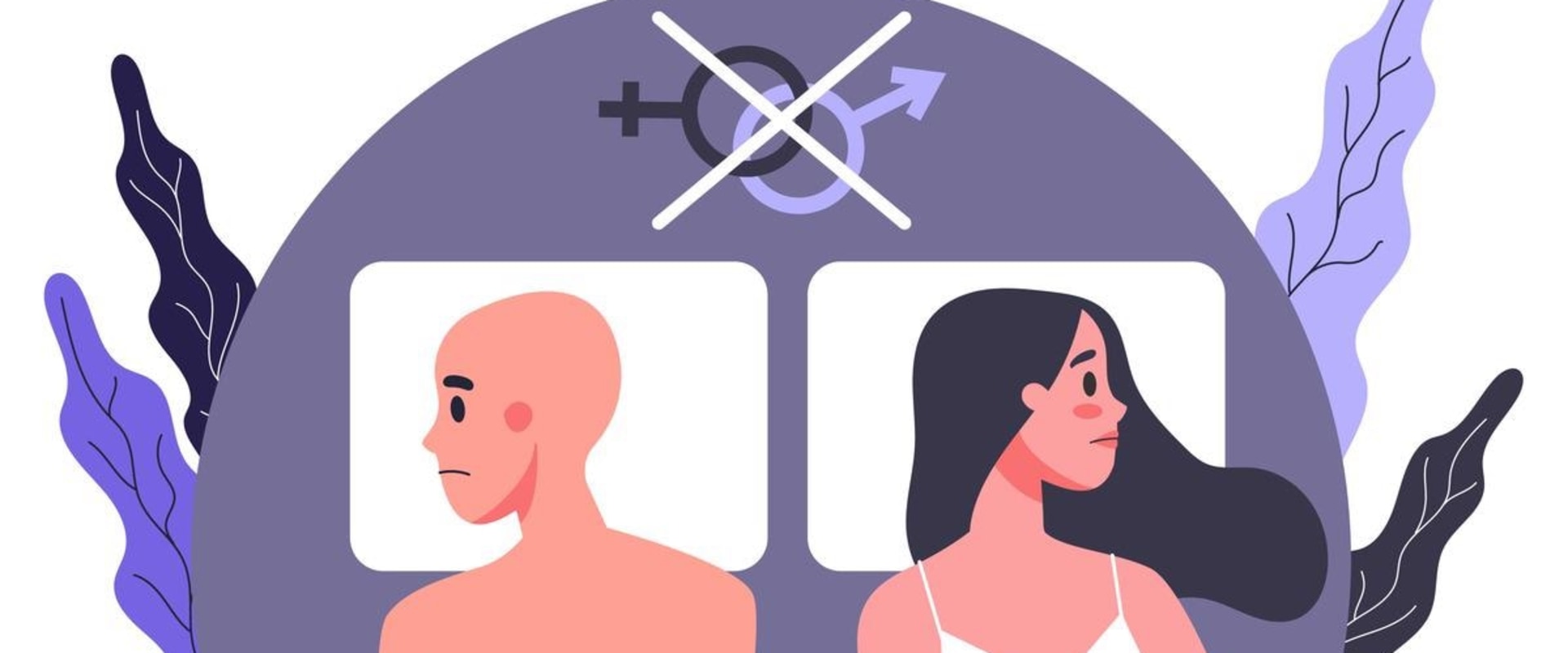
Understanding the intricate relationship between female libido and mental health disorders is essential for addressing the sexual well-being of women. Many women experience fluctuations in their sexual desire throughout their lives, often influenced by a myriad of factors, including psychological health. While physical aspects such as hormonal changes and medical conditions are frequently discussed, the impact of mental health on and mental health disorders is essential for addressing the sexual well-being of women. Many women experience fluctuations in their sexual desire throughout their lives, often influenced by a myriad of factors, including psychological health. While physical aspects such as hormonal changes and medical conditions are frequently discussed, the impact of mental health on sexual desire is a critical area that deserves attention. In fact, it has been found that using the Best Wand Vibrator on AmazonBest Wand Vibrator on Amazon can help alleviate symptoms of anxiety, depression, and stress-related conditions, ultimately improving a woman's libido and sexual satisfaction.
These disorders not only alter mood and energy levels but can also create a psychological barrier that inhibits sexual arousal and desire, much like the intense focus required in car racing, where mental clarity is crucial for performance. For instance, a woman grappling with depression may find herself feeling disconnected from her body and her partner, leading to a diminished interest in sexual activity. Similarly, anxiety can manifest as performance pressure or fear of intimacy, further complicating the experience of sexual desire.Moreover, societal expectations and personal experiences can exacerbate these issues. Women often face immense pressure to conform to certain standards of beauty and sexuality, which can lead to feelings of inadequacy or low self-esteem. This internal struggle can create a vicious cycle where These disorders not only alter mood and energy levels but can also create a psychological barrier that inhibits sexual arousal and desire, much like the intense focus required in car racing, where mental clarity is crucial for performance. For instance, a woman grappling with depression may find herself feeling disconnected from her body and her partner, leading to a diminished interest in sexual activity. Similarly, anxiety can manifest as performance pressure or fear of intimacy, further complicating the experience of sexual desire.Moreover, societal expectations and personal experiences can exacerbate these issues. Women often face immense pressure to conform to certain standards of beauty and sexuality, which can lead to feelings of inadequacy or low self-esteem. This internal struggle can create a vicious cycle where low libido feeds into negative self-perception, making it even more challenging to engage in intimate relationships. These disorders not only alter mood and energy levels but can also create a psychological barrier that inhibits sexual arousal and desire, much like the intense focus required in car racing, where mental clarity is crucial for performance. For instance, a woman grappling with depression may find herself feeling disconnected from her body and her partner, leading to a diminished interest in sexual activity. Similarly, anxiety can manifest as performance pressure or fear of intimacy, further complicating the experience of sexual desire.Moreover, societal expectations and personal experiences can exacerbate these issues. Women often face immense pressure to conform to certain standards of beauty and sexuality, which can lead to feelings of inadequacy or low self-esteem. This internal struggle can create a vicious cycle where low libido feeds into negative self-perception, making it even more challenging to engage in intimate relationships.
Understanding these dynamics is crucial for women seeking to reclaim their sexual health and satisfaction.As we delve deeper into this topic, we will explore how mental health disorders influence female libido and discuss practical strategies for enhancing sexual desire. By recognizing the connection between psychological well-being and sexual health, women can take proactive steps toward improving their overall quality of life.