Understanding female libido is essential for recognizing the complexities of sexual desire and arousal in women. Libido, often defined as the overall sexual drive or desire for sexual activity, is influenced by a myriad of factors that can vary significantly from one individual to another. Unlike a simple switch that can be turned on or off, female libido is a dynamic interplay of biological, psychological, and social elements that can fluctuate over time.At its core, female libido is not just about physical attraction or sexual urges; it encompasses emotional intimacy, personal well-being, and even cultural influences. Hormonal changes, particularly those related to the menstrual cycle, pregnancy, and menopause, play a pivotal role in shaping a woman's sexual desire.
For instance, many women experience heightened libido during ovulation due to increased estrogen levels, while others may find their desire waning during menstruation or menopause when hormonal fluctuations occur.In addition to hormonal factors, psychological aspects such as stress, anxiety, and past experiences can significantly impact libido. Emotional health is closely tied to sexual desire; feelings of self-worth and body image can either enhance or diminish a woman's interest in sex. Furthermore, relationship dynamics—such as communication with a partner and emotional connection—are crucial in fostering a healthy libido. Social factors like cultural norms and societal expectations also contribute to how women perceive their own sexuality.Understanding these multifaceted influences on female libido is vital for anyone looking to enhance their sexual health or address issues related to low sexual desire. For instance, many women experience heightened libido during ovulation due to increased estrogen levels, while others may find their desire waning during menstruation or menopause when hormonal fluctuations occur.In addition to hormonal factors, psychological aspects such as stress, anxiety, and past experiences can significantly impact libido. Emotional health is closely tied to sexual desire; feelings of self-worth and body image can either enhance or diminish a woman's interest in sex. Furthermore, relationship dynamics—such as communication with a partner and emotional connection—are crucial in fostering a healthy libido. Social factors like cultural norms and societal expectations also contribute to how women perceive their own sexuality.Understanding these multifaceted influences on female libido is vital for anyone looking to enhance their sexual health or address issues related to low sexual desire.
By recognizing the various elements at play, individuals can better navigate their own experiences and explore natural solutions like maca root that may help restore balance and boost libido.By recognizing the various elements at play, individuals can better navigate their own experiences and explore natural solutions like maca root that may help restore balance and boost libido.
What is Maca Root?
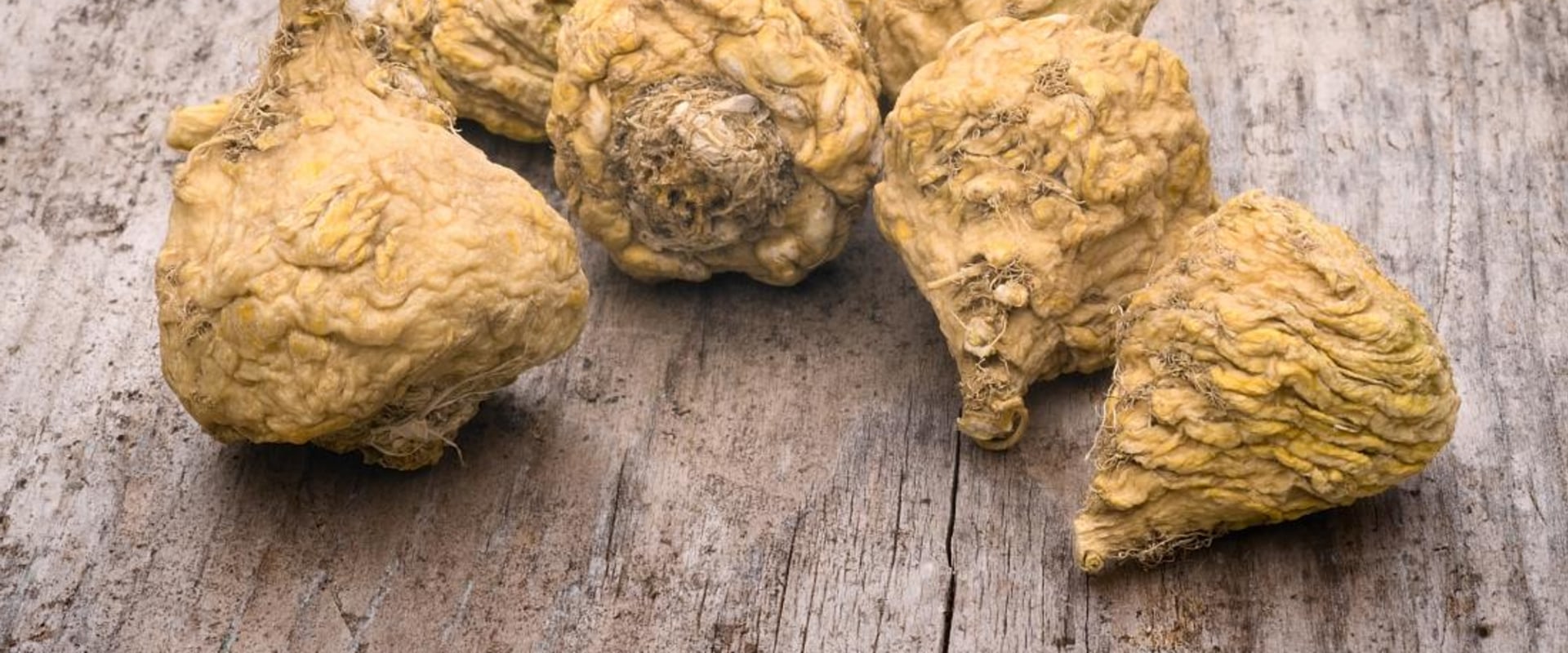
Maca root, scientifically known as Lepidium meyenii, is a cruciferous vegetable that has been cultivated for thousands of years in the high altitudes of the Andes Mountains, primarily in Peru. This remarkable plant is often referred to as "Peruvian ginseng" due to its adaptogenic properties, although it is not related to ginseng. The root of the maca plant is the part that is harvested and used for its numerous health benefits.The history of maca root dates back to ancient civilizations, where it was revered not only as a food source but also for its medicinal properties. Indigenous people of the Andes have utilized maca for centuries, believing it to enhance fertility, boost energy levels, and improve overall health.Historical records indicate that Incan warriors consumed maca before battles to increase their stamina and strength, showcasing its long-standing reputation as a natural performance enhancer.In terms of nutritional profile, maca root is a powerhouse of essential nutrients. It is rich in vitamins such as B1 (thiamine), B2 (riboflavin), C, and E, as well as minerals like calcium, potassium, iron, and zinc. Additionally, maca contains a unique blend of amino acids and fatty acids that contribute to its health benefits. The root is also packed with phytonutrients, including glucosinolates and polyphenols, which are known for their antioxidant properties.One of the most significant benefits of maca root is its ability to support hormonal balance in both men and women.
This can be particularly beneficial for women experiencing hormonal fluctuations due to menstrual cycles or menopause. By promoting healthy hormone levels, maca may help alleviate symptoms associated with low libido and enhance sexual desire.Furthermore, maca root has been studied for its potential effects on energy levels and mood enhancement. Many users report increased vitality and reduced feelings of fatigue after incorporating maca into their diets. This boost in energy can lead to improved sexual function and an overall enhancement in quality of life.In summary, understanding what maca root is—its origins, nutritional composition, and historical significance—provides valuable insight into its potential benefits for enhancing female libido.
As more people seek natural alternatives for improving sexual health, maca root stands out as a promising option backed by centuries of traditional use.
The Science Behind Maca Root and Libido Enhancement
Maca root, scientifically known as Lepidium meyenii, has garnered attention in recent years for its potential to enhance female libido. This ancient Peruvian herb is rich in essential nutrients and bioactive compounds that may play a significant role in sexual health. Understanding the science behind how maca root influences libido can provide valuable insights for those seeking natural solutions to improve their sexual well-being.One of the primary ways maca root is believed to enhance libido is through its impact on hormonal balance. Hormones such as estrogen and testosterone are crucial for regulating sexual desire in women.Research indicates that maca root may help modulate these hormones, particularly in women experiencing hormonal fluctuations due to menopause or other life stages.A study published in the journal Andrologia found that women who consumed maca root experienced a notable increase in sexual desire after just six weeks of supplementation. The study suggested that maca's ability to support hormonal balance could be a key factor in this enhancement of libido. Specifically, maca root contains compounds called glucosinolates, which may promote the production of sex hormones and improve overall hormonal health.Moreover, maca root is recognized for its adaptogenic properties, which help the body manage stress. Stress is a well-known factor that can negatively impact libido.
By reducing stress levels and promoting emotional well-being, maca may indirectly support a healthier sex drive. This adaptogenic effect can be particularly beneficial for women who find their libido waning due to anxiety or life pressures.In addition to hormonal balance and stress reduction, maca root is also thought to enhance blood flow to the pelvic region. Improved circulation can lead to increased sensitivity and arousal, further contributing to enhanced sexual experiences. This physiological response is essential for women looking to rekindle their sexual desire.In summary, the science behind maca root's effects on female libido is multifaceted, involving hormonal modulation, stress management, and improved blood flow.
As research continues to explore these connections, many women are turning to this natural supplement as a viable option for enhancing their sexual health. As research continues to explore these connections, many women are turning to this natural supplement as a viable option for enhancing their sexual health.