Understanding female libido is crucial for recognizing the complexities of sexual health and desire in women. Libido, often defined as sexual drive or desire, is influenced by a myriad of factors including hormonal levels, emotional well-being, and relationship dynamics. For many women, a healthy libido is an integral part of their overall quality of life, impacting not only intimate relationships but also self-esteem and personal satisfaction.However, the experience of sexual desire can vary significantly from one woman to another. Factors such as age, stress levels, and physical health can all play a role in shaping libido.
Additionally, societal expectations and personal beliefs about sexuality can further complicate how women perceive their own desires. Understanding these nuances is essential for addressing issues related to low libido, especially when considering the impact of birth control methods.Many women may find that their sexual desire fluctuates due to various life circumstances or health changes. Birth control methods, while effective in preventing unwanted pregnancies, can sometimes lead to unintended side effects that affect libido. This connection between birth control and sexual desire is an important aspect to explore, as it can help women make informed choices about their reproductive health.As we delve deeper into the topic of female libido and its relationship with birth control options, it becomes clear that addressing low libido requires a comprehensive understanding of both physiological and psychological factors. Additionally, societal expectations and personal beliefs about sexuality can further complicate how women perceive their own desires. Understanding these nuances is essential for addressing issues related to low libido, especially when considering the impact of birth control methods.Many women may find that their sexual desire fluctuates due to various life circumstances or health changes. Birth control methods, while effective in preventing unwanted pregnancies, can sometimes lead to unintended side effects that affect libido. This connection between birth control and sexual desire is an important aspect to explore, as it can help women make informed choices about their reproductive health.As we delve deeper into the topic of female libido and its relationship with birth control options, it becomes clear that addressing low libido requires a comprehensive understanding of both physiological and psychological factors. , especially when considering the impact of birth control methods.Many women may find that their sexual desire fluctuates due to various life circumstances or health changes. Birth control methods, while effective in preventing unwanted pregnancies, can sometimes lead to unintended side effects that affect libido. This connection between birth control and sexual desire is an important aspect to explore, as it can help women make informed choices about their reproductive health.As we delve deeper into the topic of female libido and its relationship with birth control options, it becomes clear that addressing low libido requires a comprehensive understanding of both physiological and psychological factors. Additionally, societal expectations and personal beliefs about sexuality can further complicate how women perceive their own desires. Understanding these nuances is essential for addressing issues related to low libido, especially when considering the impact of birth control methods.Many women may find that their sexual desire fluctuates due to various life circumstances or health changes. Birth control methods, while effective in preventing unwanted pregnancies, can sometimes lead to unintended side effects that affect libido. This connection between birth control and sexual desire is an important aspect to explore, as it can help women make informed choices about their reproductive health.As we delve deeper into the topic of female libido and its relationship with birth control options, it becomes clear that addressing low libido requires a comprehensive understanding of both physiological and psychological factors.
By examining these elements closely, we can uncover effective strategies for enhancing sexual desire while maintaining reproductive health.
The Connection Between Birth Control and Libido
Understanding the relationship between birth control and female libido is crucial for women who are navigating their contraceptive options. Various methods of birth control can have differing effects on sexual desire, and these effects can be influenced by hormonal changes, personal health, and individual responses to different contraceptive methods.Hormonal Birth Control
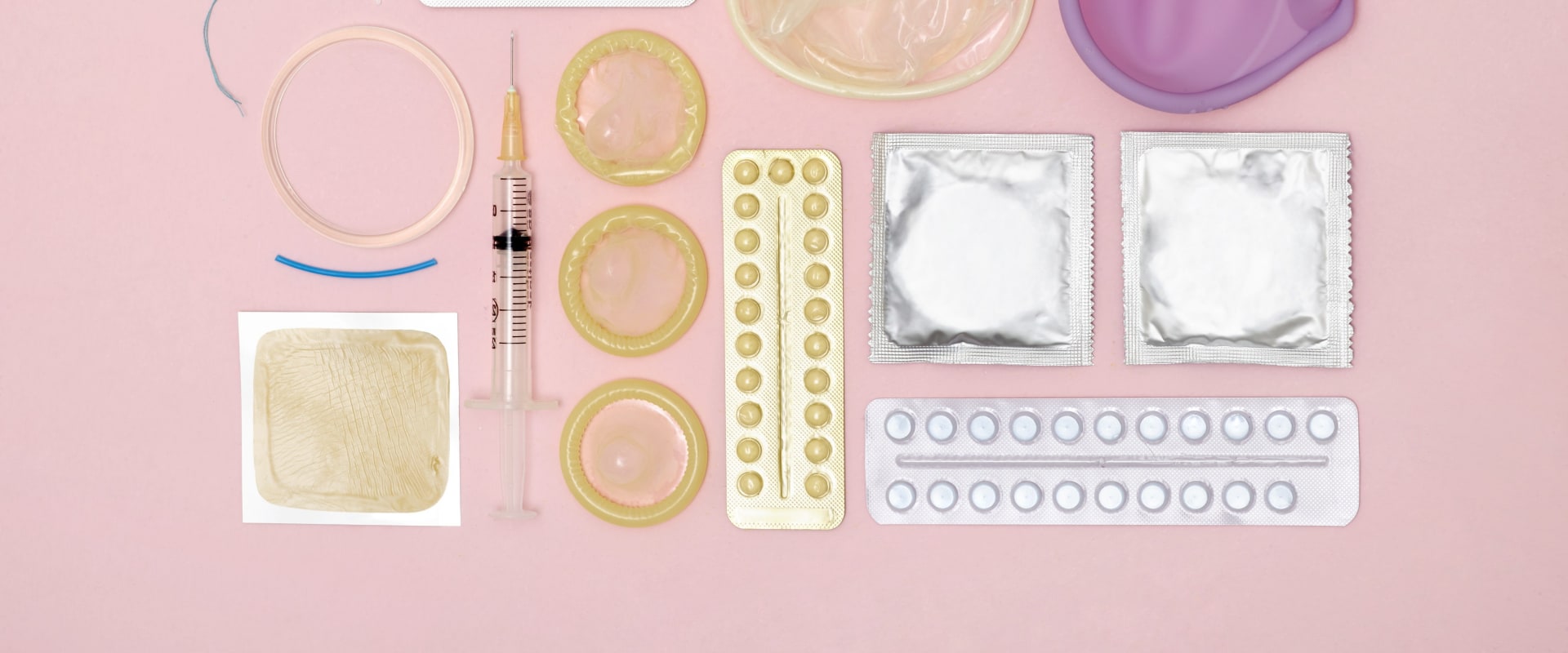
Hormonal birth control methods, such as the pill, patch, and hormonal IUDs, work by altering the body’s natural hormone levels to prevent ovulation. While these methods are effective in preventing pregnancy, they can also lead to a decrease in libido for some women. The primary hormones involved—estrogen and progesterone—play significant roles in regulating sexual desire.
When these hormones are artificially manipulated, it can result in side effects that include:
- Decreased sexual arousal: Some women report a diminished interest in sexual activity when using hormonal contraceptives.
- Mood changes: Hormonal fluctuations can lead to mood swings or depression, which may further impact libido.
- Physical side effects: Issues such as weight gain or breast tenderness can also contribute to a lower sex drive.
Non-Hormonal Birth Control
For those who prefer to avoid hormonal methods due to potential side effects, non-hormonal birth control options are available. These methods include:
- Copper IUD: This device does not release hormones and has been shown to have minimal impact on libido. In fact, some women report an increase in sexual desire after switching to a copper IUD.
- Barrier methods: Condoms and diaphragms physically block sperm from reaching the egg without affecting hormone levels.
Many women find that these methods do not interfere with their sexual desire.
- Fertility awareness methods (FAM): By tracking menstrual cycles and understanding fertile windows, women can avoid pregnancy without hormonal intervention. This method requires diligence but can empower women regarding their reproductive health.
Causes of Low Libido in Women
Understanding the causes of low libido in women is essential for addressing this common issue. Low sexual desire can stem from a variety of factors, including hormonal imbalances, psychological influences, and lifestyle choices.Each of these elements can interact in complex ways, making it crucial to consider them holistically.
Hormonal Imbalances
Hormones play a pivotal role in regulating sexual desire. Fluctuations in hormones such as estrogen, progesterone, and testosterone can significantly impact libido. For instance, during different phases of the menstrual cycle, women may experience varying levels of sexual desire due to hormonal changes. Additionally, conditions like polycystic ovary syndrome (PCOS) or thyroid disorders can lead to hormonal imbalances that diminish libido.Moreover, the use of hormonal contraceptives can also affect hormone levels.While these methods are effective for preventing pregnancy, they may inadvertently lower libido for some women by altering natural hormone production. Understanding your unique hormonal profile is vital in identifying whether this is a contributing factor to low sexual desire.
Psychological Factors
The mind plays a significant role in sexual health. Psychological factors such as stress, anxiety, and depression can severely impact libido. Stressful life events or ongoing anxiety can lead to a preoccupation with worries that distract from sexual thoughts and feelings.Similarly, depression often results in a diminished interest in activities that were once pleasurable, including sex.Relationship dynamics also contribute to psychological factors affecting libido. Issues such as lack of communication, unresolved conflicts, or feelings of inadequacy can create emotional barriers that hinder sexual desire. It’s essential for women to address these psychological aspects through open dialogue with partners or professional counseling when necessary.
Lifestyle Influences
Lifestyle choices can also play a significant role in influencing female libido. Factors such as diet, exercise, and sleep patterns are crucial for maintaining overall health and well-being.A poor diet lacking essential nutrients can lead to fatigue and low energy levels, which may reduce sexual desire. Regular physical activity has been shown to enhance mood and increase energy levels, potentially boosting libido.Additionally, inadequate sleep can lead to hormonal disruptions and increased stress levels, both of which negatively impact sexual desire. Women should prioritize healthy lifestyle habits to support their sexual health and overall well-being.In summary, low libido in women is a multifaceted issue influenced by hormonal imbalances, psychological factors, and lifestyle choices. By understanding these causes, women can take proactive steps toward improving their sexual health and enhancing their overall quality of life.
Hormonal Birth Control Options and Their Impact on Libido
When considering birth control options, many women turn to hormonal methods due to their effectiveness in preventing pregnancy.However, it is essential to understand how these methods can influence female libido. Hormonal birth control options include pills, patches, and intrauterine devices (IUDs), each with unique mechanisms and potential effects on sexual desire.
Pills
Oral contraceptives, commonly known as birth control pills, are one of the most widely used hormonal methods. They work by releasing synthetic hormones—typically a combination of estrogen and progestin—that prevent ovulation. While many women find that the pill helps regulate their menstrual cycle and reduce symptoms of premenstrual syndrome (PMS), some may experience a decrease in libido as a side effect.- Pros: Birth control pills can provide reliable pregnancy prevention, regulate menstrual cycles, and alleviate menstrual cramps.
- Cons: Some users report reduced sexual desire, mood swings, and weight gain as potential side effects.
Patches
The contraceptive patch is another hormonal option that releases hormones through the skin into the bloodstream.Similar to the pill, it contains estrogen and progestin and is applied weekly for three weeks, followed by a patch-free week. While convenient, the patch may also impact libido.
- Pros: The patch is easy to use and does not require daily attention like pills do.
- Cons: Users may experience side effects similar to those of the pill, including changes in libido.
IUDs
Hormonal IUDs are small devices inserted into the uterus that release progestin to prevent pregnancy. They can be effective for several years and often lead to lighter periods or even amenorrhea (absence of menstruation). Many women find that hormonal IUDs have minimal impact on their libido compared to other hormonal methods.- Pros: Long-lasting protection against pregnancy with fewer hormonal side effects for some users.
- Cons: Initial discomfort during insertion and potential for irregular bleeding in the first few months.
It is crucial for women to weigh the pros and cons of each method and consult with their healthcare provider to find the best option that aligns with their health needs and lifestyle preferences. Understanding how these methods affect sexual desire can empower women to make informed choices about their reproductive health.
Non-Hormonal Birth Control Alternatives
For women seeking effective birth control methods without the hormonal side effects that can contribute to low libido, non-hormonal options are available. These alternatives not only provide reliable pregnancy prevention but also have minimal impact on sexual desire. Below, we explore some of the most popular non-hormonal birth control methods.Copper Intrauterine Device (IUD)
The copper IUD is a highly effective non-hormonal birth control option.This small, T-shaped device is inserted into the uterus by a healthcare provider and can remain in place for up to 10 years. The copper IUD works by releasing copper ions that create an environment toxic to sperm, preventing fertilization.One of the significant advantages of the copper IUD is its minimal impact on female libido. Many women report no change in their sexual desire after insertion, and some even experience an increase in libido due to the absence of hormonal fluctuations associated with hormonal contraceptives. Additionally, the copper IUD does not require daily attention, making it a convenient choice for many.
Barrier Methods
Barrier methods
are another effective non-hormonal option for birth control.
These methods work by physically blocking sperm from reaching the egg and include:
- Condoms: Available for both men and women, condoms are a popular choice that also provide protection against sexually transmitted infections (STIs). They are easy to use and can enhance sexual pleasure when used correctly.
- Diaphragms: A diaphragm is a dome-shaped device inserted into the vagina before intercourse. It must be used with spermicide to increase effectiveness and can be inserted hours before sex.
- Cervical Caps: Similar to diaphragms, cervical caps fit snugly over the cervix and must also be used with spermicide. They can be left in place for up to 48 hours.
Women who prefer these methods often appreciate their ability to engage in sexual activity without the worry of hormonal side effects.In conclusion, non-hormonal birth control options like the copper IUD and barrier methods provide effective pregnancy prevention while minimizing the risk of low libido. Women should consider their personal preferences and consult with healthcare providers to determine which method aligns best with their lifestyle and health needs.
Addressing Hormonal Imbalances to Improve Libido
Understanding and addressing hormonal imbalances is crucial for women experiencing low libido. Hormones such as estrogen, progesterone, and testosterone play significant roles in regulating sexual desire. When these hormones are out of balance, it can lead to a noticeable decrease in libido.Identifying the specific hormonal issues is the first step toward finding effective solutions.To address hormonal imbalances, it is essential to consult with a healthcare provider who can conduct appropriate tests. Blood tests can measure hormone levels and help identify any deficiencies or excesses. Once the underlying issues are identified, several treatment options can be considered:
- Hormone Replacement Therapy (HRT): For women experiencing significant hormonal fluctuations, especially during menopause, HRT can be an effective solution. This therapy involves supplementing the body with hormones to restore balance and improve libido.
- Medications: Certain medications can help regulate hormone levels.
For instance, if low libido is linked to conditions like polycystic ovary syndrome (PCOS), medications that address insulin resistance may also improve hormonal balance.
- Natural Supplements: Some women find relief through natural supplements that support hormonal health. Ingredients like vitex (chaste tree berry) and black cohosh have been traditionally used to help balance hormones, although scientific evidence varies.
- Diet: A balanced diet rich in whole foods, healthy fats, and lean proteins can support hormone production. Foods high in omega-3 fatty acids, such as fish and flaxseeds, are particularly beneficial.
- Exercise: Regular physical activity helps maintain a healthy weight and reduces stress, both of which are important for hormonal balance. Aim for a mix of cardiovascular exercise and strength training.
- Stress Management: Chronic stress can lead to elevated cortisol levels, which negatively affect libido.
Techniques such as yoga, meditation, or deep-breathing exercises can help manage stress effectively.
Lifestyle Changes to Enhance Female Libido
Enhancing female libido often requires a holistic approach that encompasses various lifestyle changes. By focusing on diet, exercise, and stress management, women can significantly improve their sexual health and overall well-being.Diet Modifications for Sexual Health
The foods we consume play a crucial role in our hormonal balance and energy levels, both of which are essential for a healthy libido. Incorporating certain foods into your diet can help boost sexual desire:- Fruits and Vegetables: Foods rich in antioxidants, such as berries, spinach, and avocados, can improve blood flow and enhance arousal.
- Healthy Fats: Omega-3 fatty acids found in fish like salmon and nuts can support hormone production and improve mood.
- Dark Chocolate: This treat contains flavonoids that may increase blood circulation and promote feelings of pleasure.
- Spices: Ingredients like ginger and chili peppers can stimulate circulation and enhance sensitivity.
Exercise Routines to Boost Libido
Regular physical activity is another vital component in enhancing female libido.Exercise not only improves physical health but also boosts mood and energy levels:
- Aerobic Exercise: Activities like running, swimming, or cycling can increase stamina and improve blood flow to the pelvic area.
- Strength Training: Building muscle can enhance confidence and body image, which are important for sexual desire.
- Yoga: This practice promotes relaxation, flexibility, and mindfulness, all of which can help reduce stress and increase libido.
Stress Management Techniques
Stress is a significant factor that can negatively impact libido. Implementing effective stress management techniques is essential for maintaining a healthy sex drive:- Meditation: Practicing mindfulness meditation can help calm the mind and reduce anxiety, making it easier to connect with your partner.
- Deep Breathing Exercises: These techniques can lower cortisol levels and promote relaxation, enhancing your overall mood.
- Quality Sleep: Prioritizing sleep is crucial for hormonal balance. Aim for 7-9 hours of quality sleep each night to support sexual health.
Consulting with Healthcare Providers: What to Expect
When dealing with issues related to low libido and birth control, consulting with a healthcare provider is a crucial step.These professionals can offer personalized advice, help identify underlying causes, and suggest appropriate treatment options tailored to your specific needs. Here’s what you can expect during your consultation and some essential questions to consider asking.
What to Expect During Your Consultation
Your healthcare provider will likely begin by asking about your medical history, current medications, and any symptoms you may be experiencing. This information helps them understand the context of your low libido and how it may relate to your birth control method. Be prepared to discuss:- Your menstrual cycle and any changes you've noticed.
- Any emotional or psychological factors that may be affecting your libido.
- Your relationship dynamics, as these can also play a significant role in sexual desire.
Questions to Ask Your Doctor
To make the most of your appointment, consider asking the following questions:- What are the potential side effects of my current birth control method?
Understanding how your chosen method may impact your libido is essential for making informed decisions. - Are there alternative birth control options that might have less impact on my libido?
Inquire about non-hormonal methods or different hormonal options that could better suit your needs. - Could my low libido be related to other health issues?
Ask if there are underlying conditions that should be evaluated, such as thyroid disorders or mental health concerns. - What lifestyle changes can I make to improve my libido?
Your provider may suggest dietary adjustments, exercise routines, or stress management techniques that can enhance sexual desire. - Are there supplements or treatments you recommend for boosting libido?
Discuss any over-the-counter products or prescription medications that could help increase sexual desire safely.
Remember, open communication is key to finding the right solutions for your sexual health.
Conclusion: Finding the Right Balance for Your Sexual Health
In conclusion, navigating the complex relationship between birth control options and female libido is essential for maintaining a healthy sexual life. Throughout this article, we have explored various factors that contribute to low libido, including hormonal imbalances, stress, and the impact of different contraceptive methods. Understanding these elements is crucial for women seeking to enhance their sexual health while effectively managing their reproductive choices.It is clear that hormonal contraceptives can significantly influence sexual desire. While they are effective in preventing pregnancy, they may also lead to decreased libido for some women.This highlights the importance of individualized care when selecting a birth control method. Women should feel empowered to discuss their experiences with healthcare providers to find a solution that aligns with their needs and lifestyle.For those who prefer non-hormonal options, alternatives such as the copper IUD or barrier methods can provide effective contraception without the potential side effects associated with hormonal treatments. Additionally, exploring lifestyle changes, such as stress management techniques and open communication with partners, can also play a vital role in enhancing sexual desire.Moreover, while supplements and topical products may offer temporary relief for low libido, it is essential to approach these options with caution. Consulting a healthcare professional before trying new products ensures safety and efficacy, allowing women to make informed decisions about their sexual health.Ultimately, finding the right balance between effective birth control and maintaining a healthy libido is a personal journey.
By prioritizing sexual health and being proactive in seeking solutions, women can reclaim their sexual vitality and enjoy fulfilling intimate relationships. Remember, there is no one-size-fits-all approach; what works for one individual may not work for another. Therefore, continuous dialogue with healthcare providers and self-advocacy are key components in this journey.